Source: Binghamton University
If it were to melt completely, the vast West Antarctic Ice Sheet (WAIS) holds enough ice to raise the global sea levels by 4 to 5 meters, or 13 to 16 feet.
The WAIS abuts the Ross Ice Shelf, the world’s largest floating ice mass, which serves as a buttress slowing the flow of glaciers and ice streams toward the sea. A warming climate threatens the future of this ice shelf, but scientists still don’t know the particular tipping point that could trigger its unsustainable melting and the subsequent loss of the adjoining ice sheet.
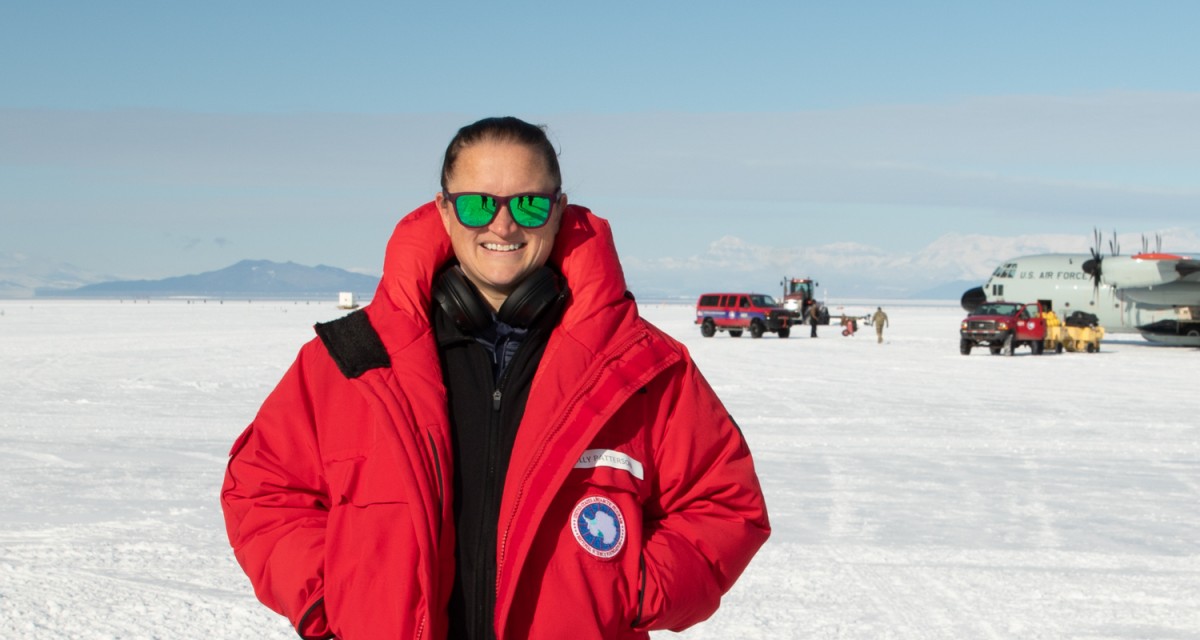
Enter an international team of scientists, including Binghamton University Associate Professor of Earth Sciences Molly Patterson. At a camp 400 miles from the nearest base in New Zealand, they will attempt to drill 500 meters through the Antarctic ice to gain critical insights about the sheet’s future in a warming world.

