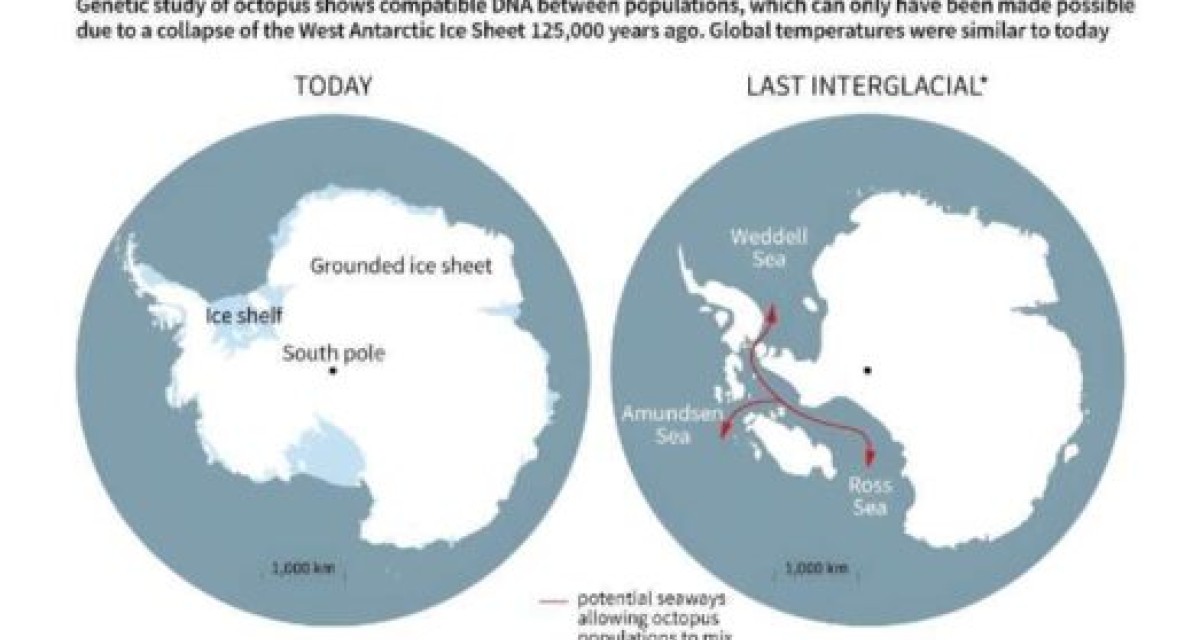
Octopuses help solve a long-standing mystery of West Antarctica demise

Source: Washington Post

Turquet’s octopuses, a species of cephalopod found in the Southern Ocean, were able to move around a melted West Antarctic Ice Sheet as recently as 125,000 years ago, according to new research published Thursday in the journal Science. That timing is key, because it’s also the last time temperatures on Earth matched today’s exceptional heat. It could suggest another ice-free period in the region may be nigh, signaling a coming collapse of the West Antarctic Ice Sheet.

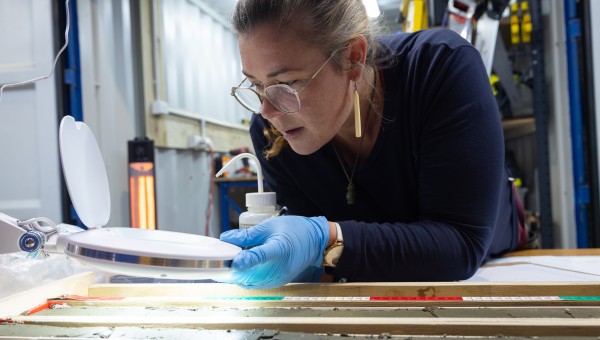
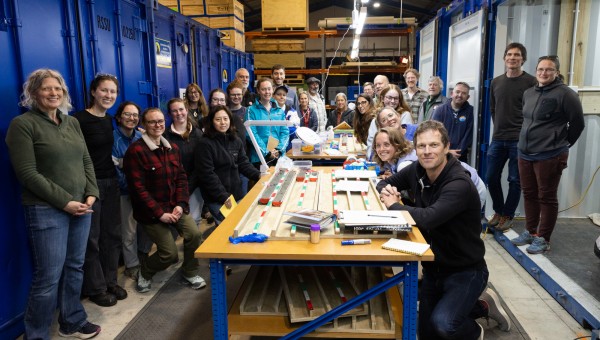
The research is timely, as Van de Flierdt and her colleagues are currently in Antarctica searching for the first direct geological evidence revealing when the ice sheet collapsed during the Last Interglacial — a similar objective to the new study, though a different approach.
Original article

View all articles
Media clippings
Deepest-ever rock core extracted from under Antarctic ice sheet

Deepest-ever rock core extracted from under Antarctic ice sheet

18 February 2026

Analyses will help to reveal how far the West Antarctic Ice Sheet retreated in the past — and what it might do in the future.

view
Media clippings
Scientists Drilled Into Antarctic Ice Until They Met Bedrock, Then Got A 228-Meter Sample Of Sediment

Scientists Drilled Into Antarctic Ice Until They Met Bedrock, Then Got A 228-Meter Sample Of Sediment

18 February 2026

Scientists have just got their hands on a 228-metre (748-foot) core sample from the muddy bedrock beneath West Antarctica’s chunky ice sheets. Inside the record-breaking sample, they discovered fossils of marine organisms that date from a time when this area was an open, ice-free ocean.

view