If you are a journalist and would like to speak to any of the team who are on-ice (Dec 2024 - Jan 2025 and Dec 2025 - Jan 2026) please contact us at swaiscomms@gns.cri.nz for more information.
Project updates
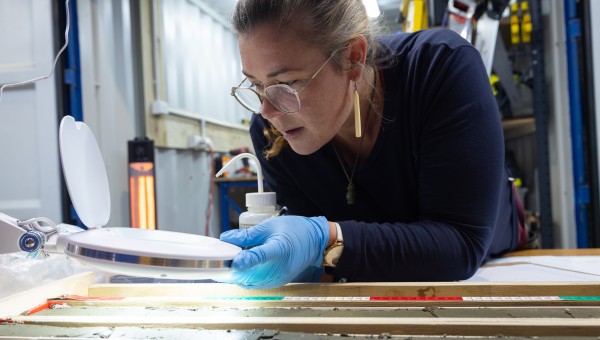
Core workshop findings indicate past Ross Ice Shelf collapse and West Antarctic Ice Sheet retreat
09 July 2026
Analysis from our core description workshop supports the initial observations made in the field – our Antarctic sediment core holds a record of an open marine environment, far closer to…
Project updates
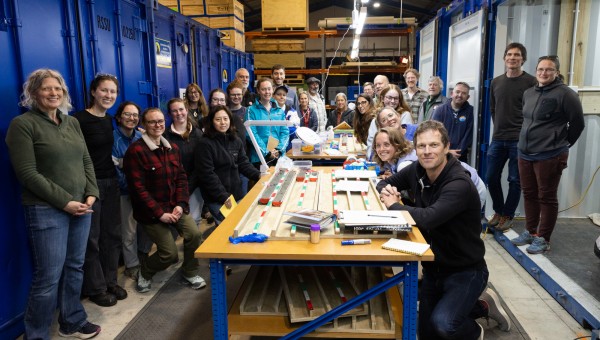
Core workshop gets underway
03 June 2026
We’ve just opened the best present ever – our first sediment core, retrieved from under the West Antarctic Ice Sheet last season.
Media clippings
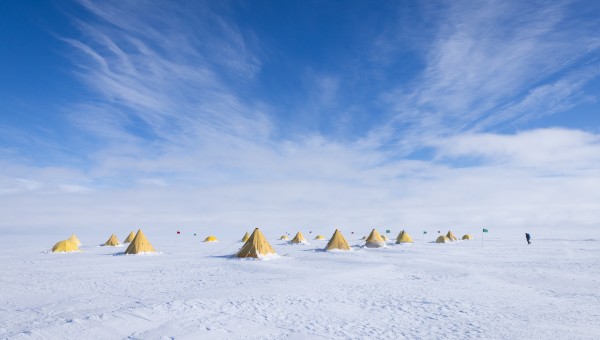
Deepest-ever rock core extracted from under Antarctic ice sheet
18 February 2026
Analyses will help to reveal how far the West Antarctic Ice Sheet retreated in the past — and what it might do in the future.
Media clippings
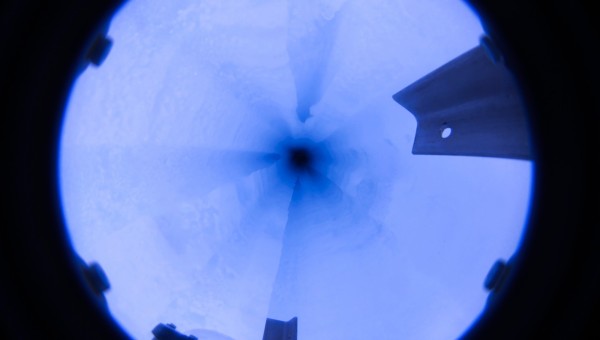
Scientists Drilled Into Antarctic Ice Until They Met Bedrock, Then Got A 228-Meter Sample Of Sediment
18 February 2026
Scientists have just got their hands on a 228-metre (748-foot) core sample from the muddy bedrock beneath West Antarctica’s chunky ice sheets. Inside the record-breaking sample, they discovered fossils of marine organisms that date from a time when this area was an open, ice-free ocean.
Media clippings
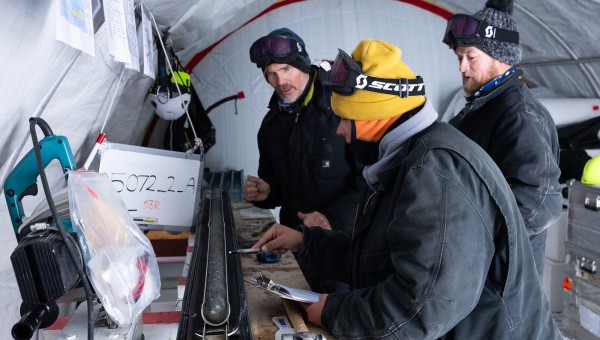
Rekordbohrung in der Antarktis
18 February 2026
Source: Spektrum der Wissenschaft Es ist das längste Klimaarchiv, das Fachleute je unter einem Eisschild der Antarktis geborgen haben. Die Sedimente könnten 23 Millionen Jahre in die Vergangenheit zurückreichen.
Media clippings

Team of scientists retrieve massive Antarctic core sample to better understand warming planet
18 February 2026
Under bone-chilling conditions, an international team of scientists has unlocked the secrets to better understand a rapidly-warming planet.
Media clippings
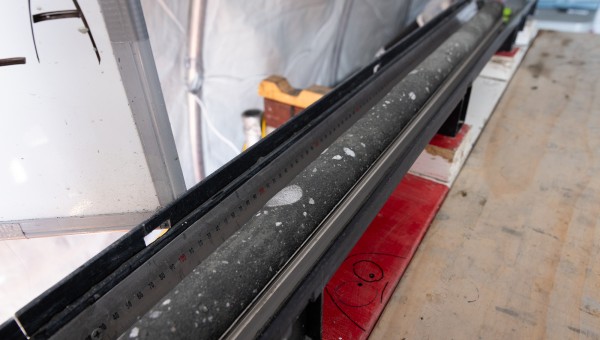
Record length sediment core could reveal West Antarctic retreat
18 February 2026
Source: Reuters Scientists retrieved the longest sediment core yet from beneath the West Antarctic Ice Sheet, aiming to understand its past changes and how it may respond to future warming.
Längster Bohrkern der Antarktis geborgen
18 February 2026
Ein Forschungsteam hat einen 228 Meter langen geologischen Bohrkern von unter dem antarktischen Eis zu Tage gebracht. Es handelt sich um die erste derart umfassende Bodenprobe. Anhand der Sedimentschichten soll ablesbar sein, bei welchen Temperaturen das westantarktische Eis schmilzt.
Media clippings
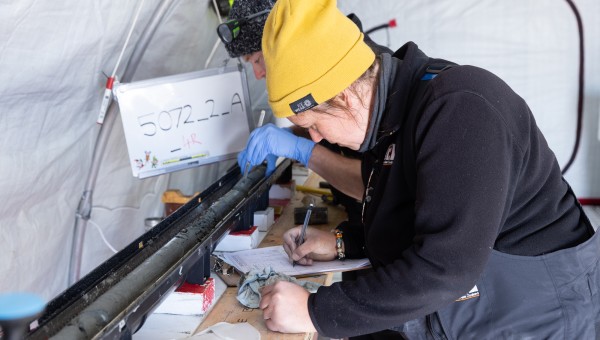
Scientists get all 'sedimental' down on the Antarctic ice
18 February 2026
The magic moment looked strangely domestic for a gathering of scientists and drillers working in freezing temperatures on the massive Ross Ice Shelf.
Media clippings
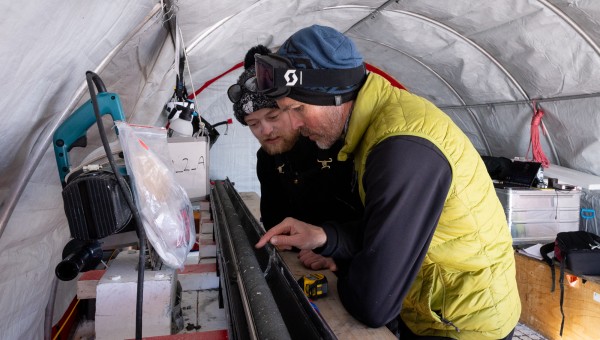
Beneath the ice: Scientists predict the future by drilling into Antarctica's ancient past
18 February 2026
After three attempts, the New Zealand co-led international effort to dig 500 metres below the West Antarctic Ice Sheet has managed to recover sediment that's millions of years old.