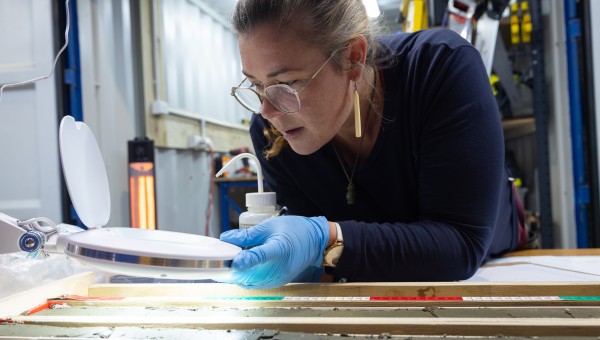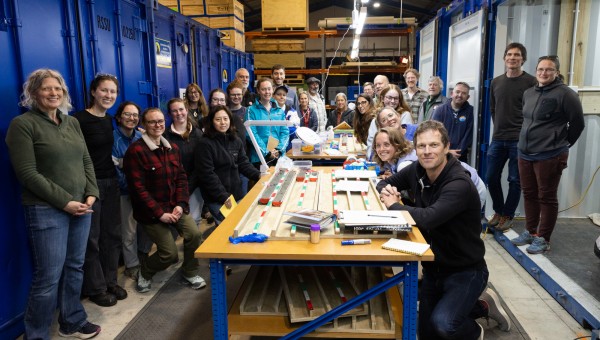
Source: Kiel University
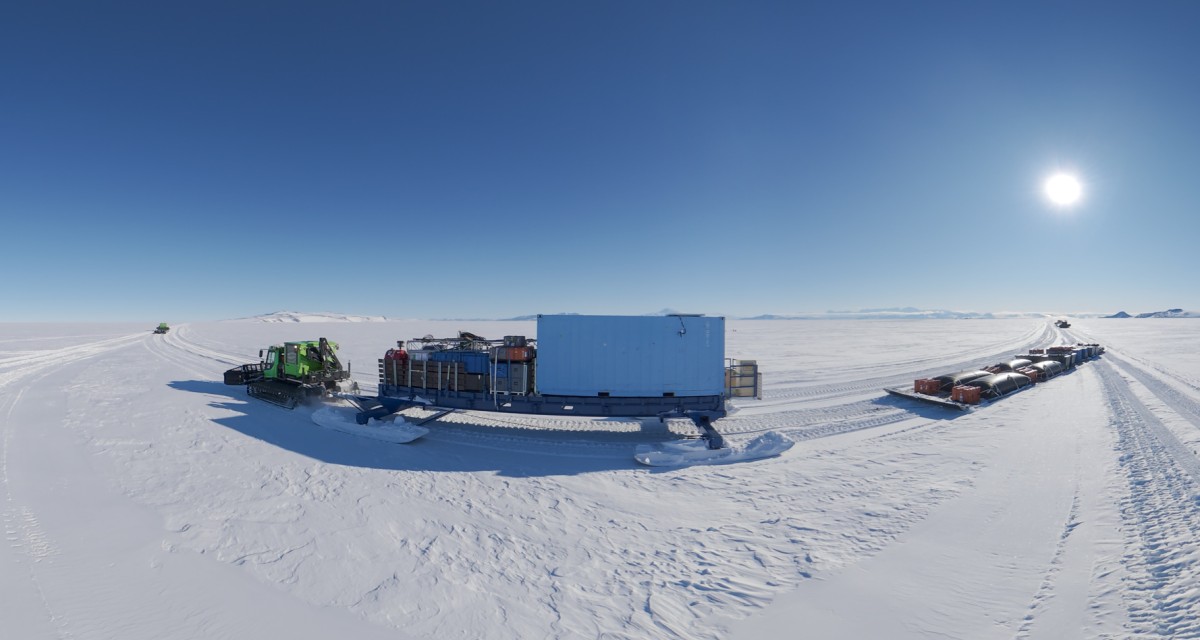
An international team has set up a remote camp on the ice 700 km from the nearest base, New Zealand’s Scott Base, to attempt to drill for mud and rocks holding critical insights about the fate of the West Antarctic Ice Sheet in our warming world. The vast West Antarctic Ice Sheet holds enough ice to raise global sea level by 4-5 m if it melts completely. It is protected on one side by the Ross Ice Shelf, the world’s largest floating ice mass, that serves as a buttress slowing the flow of glaciers and ice streams towards the sea. As our climate warms, the Ross Ice Shelf is becoming increasingly vulnerable, but there is uncertainty around what global temperature increase will trigger unsustainable melting of the shelf, and the subsequent loss of the West Antarctic Ice Sheet.